Shandong Ruihe Soybean Source Import and Export Co., Ltd.
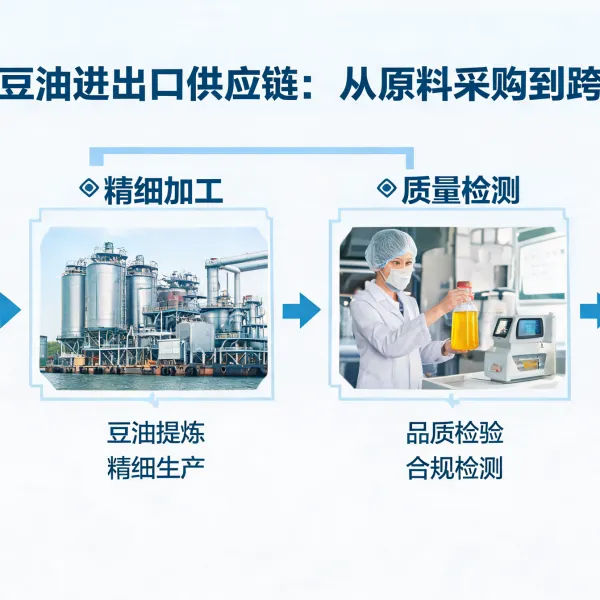
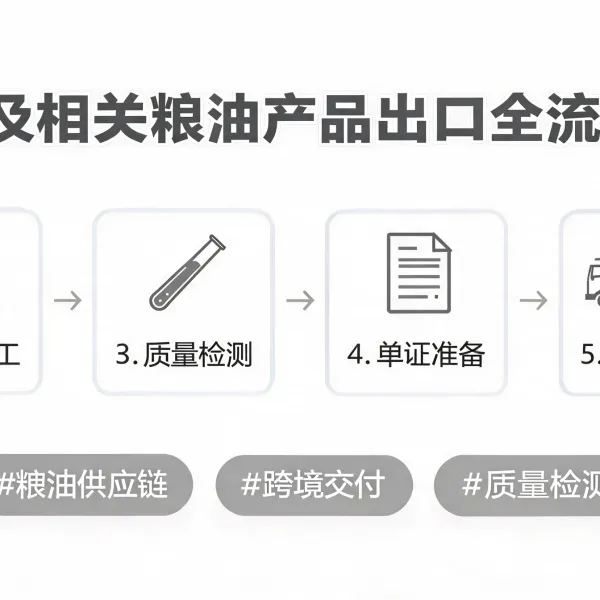
For B2B buyers, soybean oil procurement is not only about comparing quotations. It is a sourcing decision that affects product consistency, delivery reliability, compliance, and long-term cooperation. Based in Qingdao West Coast New Area, Shandong Ruihe Soybean Source focuses on the import and export of soybean oil and related grain and oil products, supporting buyers with a practical supply chain from raw material sourcing and processing to cross-border delivery.
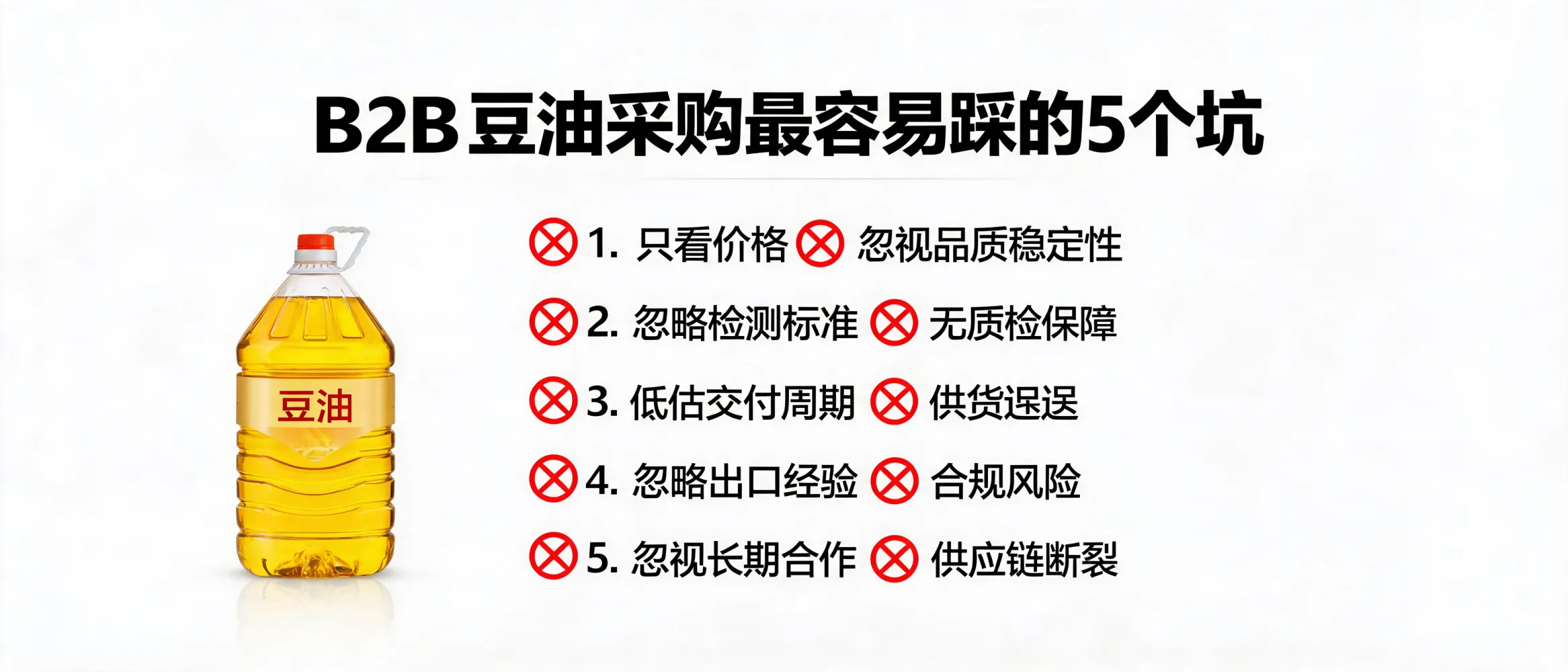
A low unit price can be attractive, but it may not reflect the full purchasing cost. For soybean oil and related edible oils, buyers should evaluate quality stability, packaging requirements, export handling, and delivery terms alongside price.
In B2B trade, the right supplier relationship is built on balanced value. A more suitable offer is often the one that supports predictable quality, clear logistics, and consistent supply—not simply the lowest quotation.
Quality testing is a core checkpoint in edible oil sourcing. Buyers should confirm whether the supplier follows recognized food safety requirements and whether each batch is subject to multi-dimensional inspection before shipment.
Useful quality questions to ask your supplier:
Shandong Ruihe Soybean Source places emphasis on strict quality control to help customers reduce uncertainty in procurement and receiving.
Even when product specifications are acceptable, poor lead-time management can disrupt downstream operations. Buyers should evaluate whether the supplier can align production, inspection, export procedures, and shipping schedules with the buyer’s required timeline.
Reliable supply is not only about having the product available; it is also about delivering it in a way that fits the buyer’s operational rhythm.
A supplier with a complete service chain—from sourcing and processing to cross-border delivery—can better support export coordination and reduce avoidable delays.
International buyers often need more than product availability. They need a partner who understands export documentation, communication across time zones, destination market expectations, and the practical requirements of international trade.
Export-oriented capabilities to look for
With experience serving Southeast Asia, the Middle East, Europe, and other markets, Shandong Ruihe Soybean Source supports buyers seeking practical export cooperation.
A one-time purchase and a long-term supply relationship require different selection criteria. For recurring procurement, buyers should assess whether the supplier can maintain stable sourcing, processing continuity, and service consistency over time.
Shandong Ruihe Soybean Source is a modern enterprise located in Qingdao’s West Coast New Area, built around soybean oil and related grain and oil product export business. The company draws on high-quality soybean production resources in Shandong and operates a full-service chain covering sourcing, precision processing, quality inspection, and cross-border delivery.
For B2B customers, this means a procurement partner with a clear industry focus, practical export experience, and a service model designed to support long-term cooperation.
When purchasing soybean oil and related grain & oil products, the most reliable decisions are made by looking beyond the initial quotation. Buyers who evaluate quality testing, lead time, export capability, and long-term supply support are better positioned to build stable sourcing relationships.
Shandong Ruihe Soybean Source continues to focus on dependable product supply and professional foreign trade service, helping global buyers move from transactional purchasing toward sustainable cooperation.